Newsletter

EKPC: Keep Cool and Save Energy

It takes a lot of energy to cool your home in the Kentucky summer. But there are ways to help lower your energy use, utility bill and earn rebates from your Kentucky’s Touchstone Energy Cooperatives.

Check out these easy ways to save energy (101 Ways, to be exact). Just to name a few:

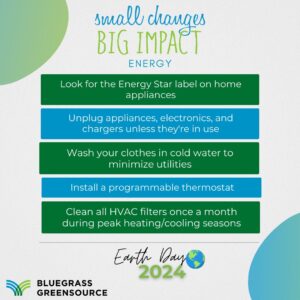
  • A one degree increase in your cooling setpoint can increase energy use by 3 to 5 percent. The Department of Energy recommends a summer setting of 78 degrees for maximum savings. Plus, buying a qualifying Wi-Fi enabled smart thermostat helps you save even more with your local co-op’s $100 rebate and SimpleSaver enrollment. Learn more at www.simplesaver.coop.
  • Change your central HVAC system filter when suggested by the manufacturers recommendations. Dirty filters can impact your home comfort and increase your electricity bill.
  • Seal from the inside. Air sealing is an inexpensive way to lower energy costs and improve comfort. Seal gaps and holes in walls, floors, and ceilings with caulk or foam sealant. Plus, your local co-op offers a Button-Up program for air sealing and insulation improvements (up to $1,875). Contact your local co-op to learn more.
  • Close shades and drapes during the day to help keep your home cooler in the summer. Ceiling fans can also keep you cooler. Remember: they cool people, not rooms. So turn them off when no one is occupying the room.

If you’re ready to take on some DIY energy improvements, check out Kentucky’s Touchstone Energy Cooperatives’ 18 Simple Ways to Save. The booklet offers a step-by-step, comprehensive approach to saving energy projects.

Last, but not least, take a free online energy audit. You’ll find problem areas in your home and get recommendations for saving (including info about rebates from your local co-op).

For more information or to complete an energy audit, go to togetherwesaveky.com/energyaudit/.

READ MORE
Newsletter

Story Spotlight: UK’s Student Sustainability Council

April 16, 2026 by Ellen Mueller

People of all ages must have opportunities to learn about sustainability and contribute to it in their surrounding environments. At the University of Kentucky, the Student Sustainability Council is achieving this by putting students in influential roles where they can influence sustainability on UK’s campus.

Beginning in 2010, the Student Sustainability Council (SSC) has distributed the Environmental Stewardship Fee, an annual $4.00-per-student fee used to fund sustainability projects at UK. Any member of the UK community can submit a proposal to the Council for funding. Since its formation, the SSC has funded more than one million dollars in sustainability projects. This council of students supervises the distribution of funds for projects relevant to the three pillars of sustainability (environment, society, and economy), with an impact on the campus, and a commitment to student engagement. This year, they plan to distribute nearly $200,000 for campus sustainability projects.
The SSC is a great example of student voice in action, with student representation and input in decision-making. The student members learn skills that will help them in their future professional fields, while grant recipients can develop great projects to promote sustainability in the UK community. These projects have included undergraduate research, sustainability campaigns, the Sustainability Lecture Series, student internships, study abroad trips, and service-learning opportunities. They even provide funding annually for several students to attend Bluegrass Greensource’s Sustainability Summit!

One of these attendees at our 2026 Sustainability Summit was Sarah Butler, a freshman at UK studying Library Sciences, who has recently joined the Student Sustainability Council. After transferring to UK this spring, the SSC provided her with a group of like-minded students passionate about bettering the environment. “I wanted something that I feel is gonna benefit everyone and not just me. And I felt like this was a really good cause to be a part of.” She was grateful that SSC allowed her to attend the Sustainability Summit, where she got to meet community members who are also passionate about environmental advocacy.

Since joining SSC, Sarah has become more mindful of the choices she makes in her day-to-day life. She says the Council educates the public on ways they can take more green-focused initiatives in their own community, bringing sustainability strategies used throughout the Commonwealth that students can easily recreate in their busy lives. “I definitely feel it’s helped reduce waste and educate people on ways that they can do that in just this setting here.” 

She believes that as students, it is easy to become lost in our fast-paced routines, but that we should slow down from time to time and be mindful of our everyday habits. These practices, like recycling, saying no to non-reusable plastics, or using a refillable water bottle, may be small, but they will add up to a larger impact. They are also manageable and something most students can do. “When you throw something away, it’s still going somewhere. It’s not just gone. It’s gone from your sight, but it’s gonna be in someone else’s view. It’s still here.” 

The Student Sustainability Council’s impact on Sarah and our larger campus is just one example of how powerful it can be to involve young people in local sustainability and environmental initiatives. This hands-on work helps us to see in real time how small changes can make a big impact in our communities. When Sarah goes back to her hometown in Marshall County, KY, she hopes to begin implementing some of the practices she has learned here at UK. 

If you want to hear more student perspectives on environmental topics, the SSC hosts a weekly radio show called GreenTalks on WRFL 88.1 FM, UK’s student-run radio station, on Tuesdays from 2-3 pm. Past shows have discussed recycling at UK, invasive species, and other student sustainability organizations.

READ MORE

Reflection on a year at Bluegrass Greensource

“I didn’t know that!” This is a phrase I have heard at every class and event I have attended as an AmeriCorps/EEL volunteer. The exclamation came from both children and adults as they learned that dragonflies start their life in the water eating fish, that beavers have luscious thick fur and are as large as a small child, or that Night Crawlers are an invasive species. In classrooms and at fetes, sharing information about nature always inspires awe and delight.

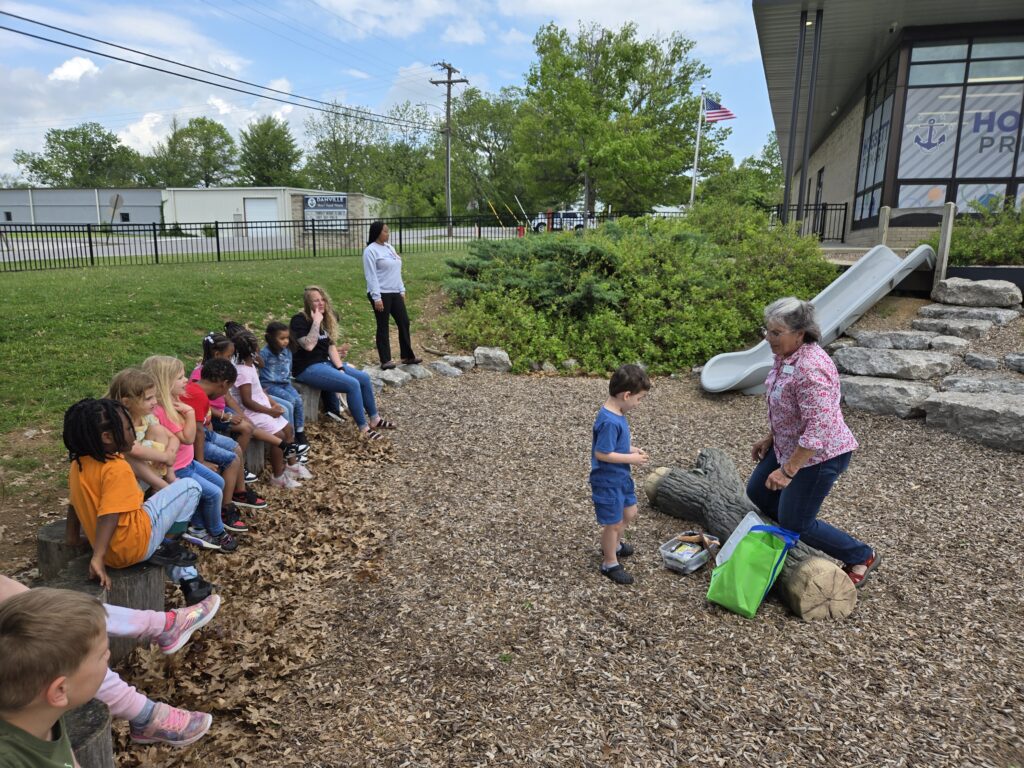
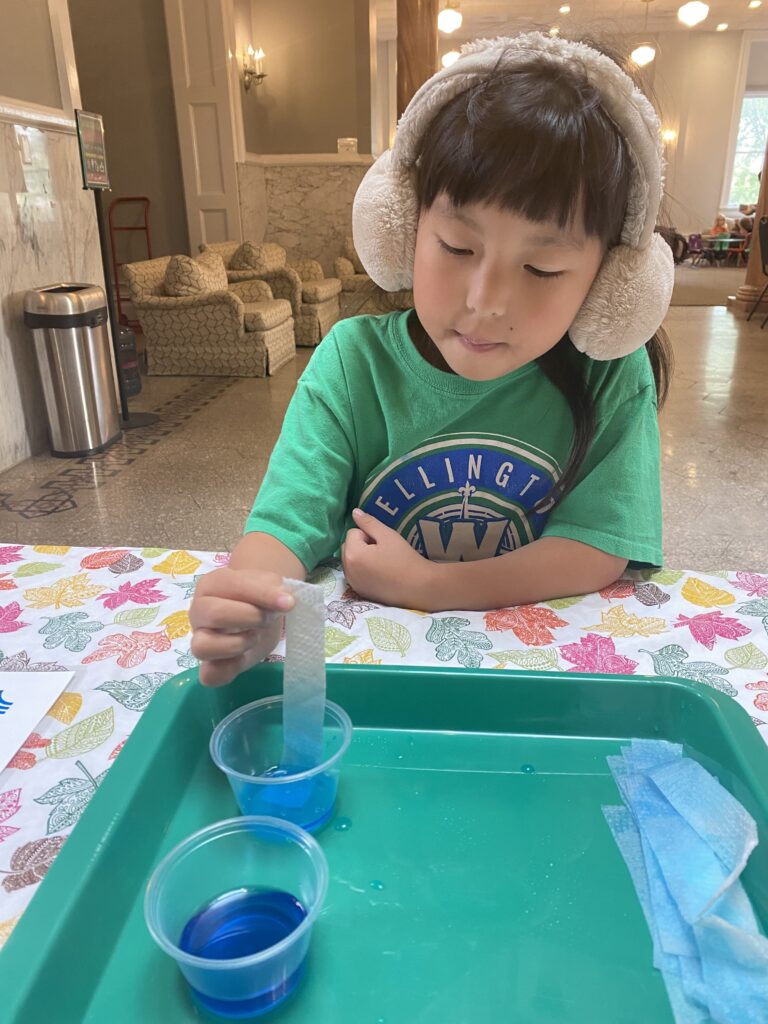
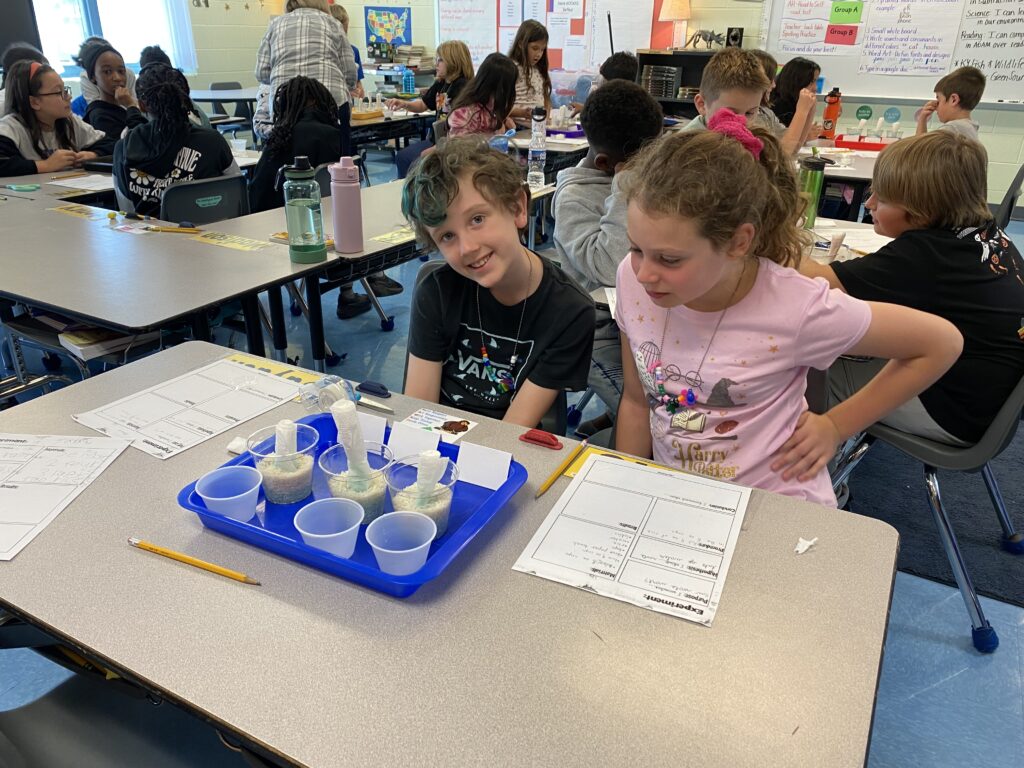
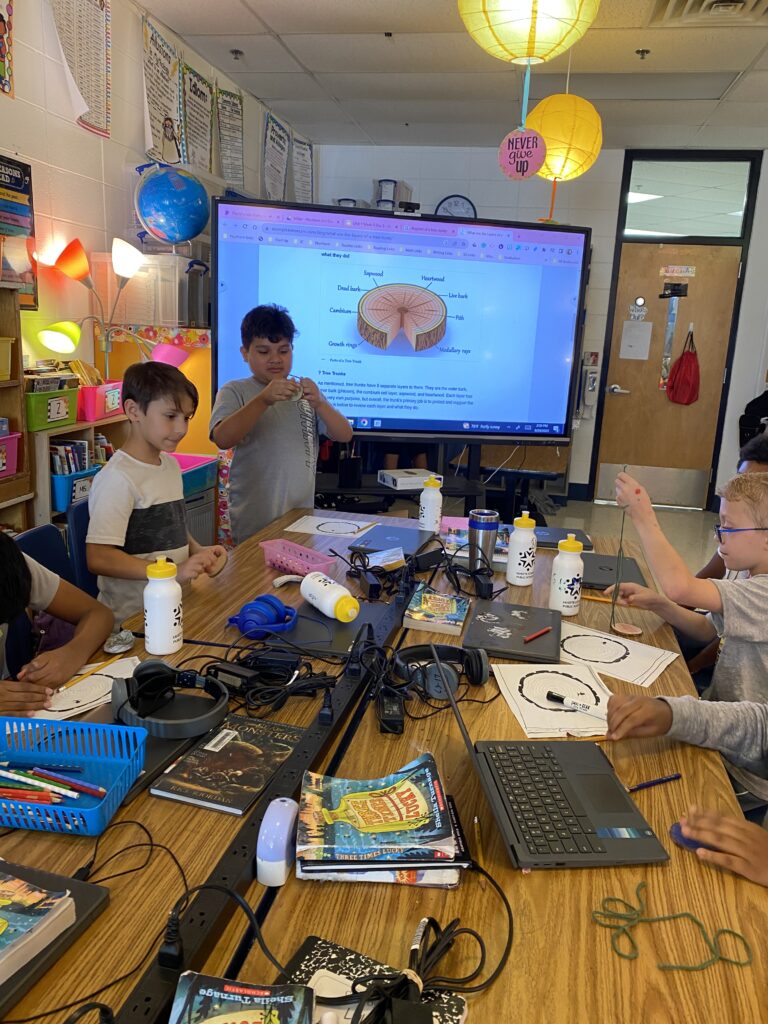
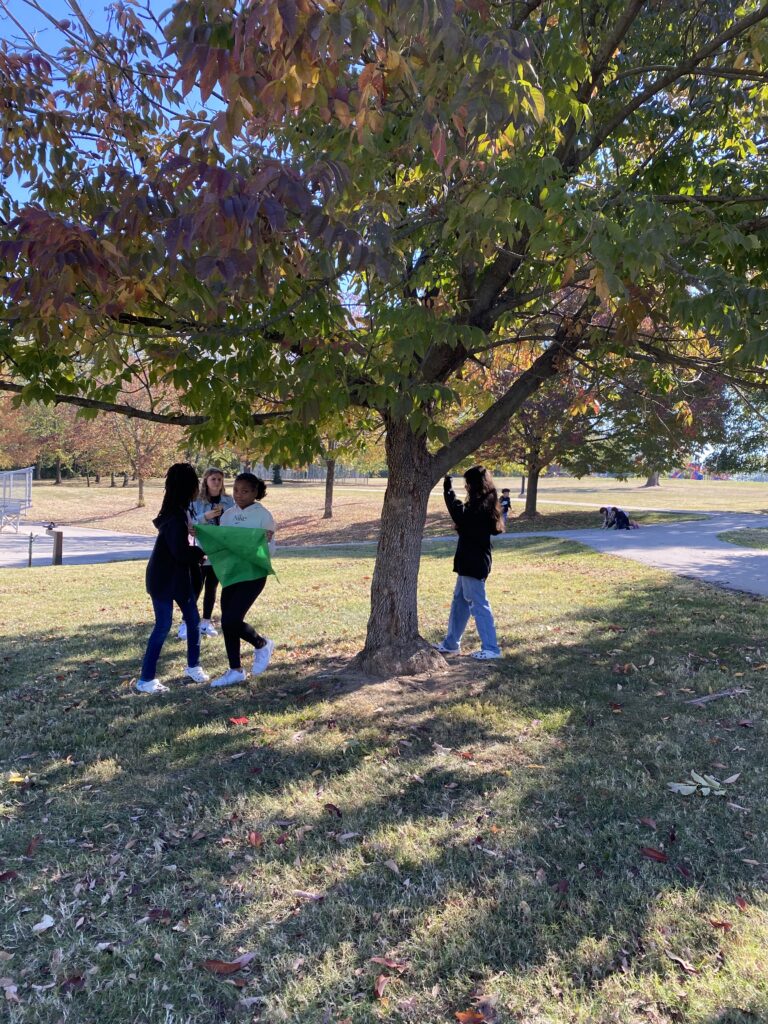
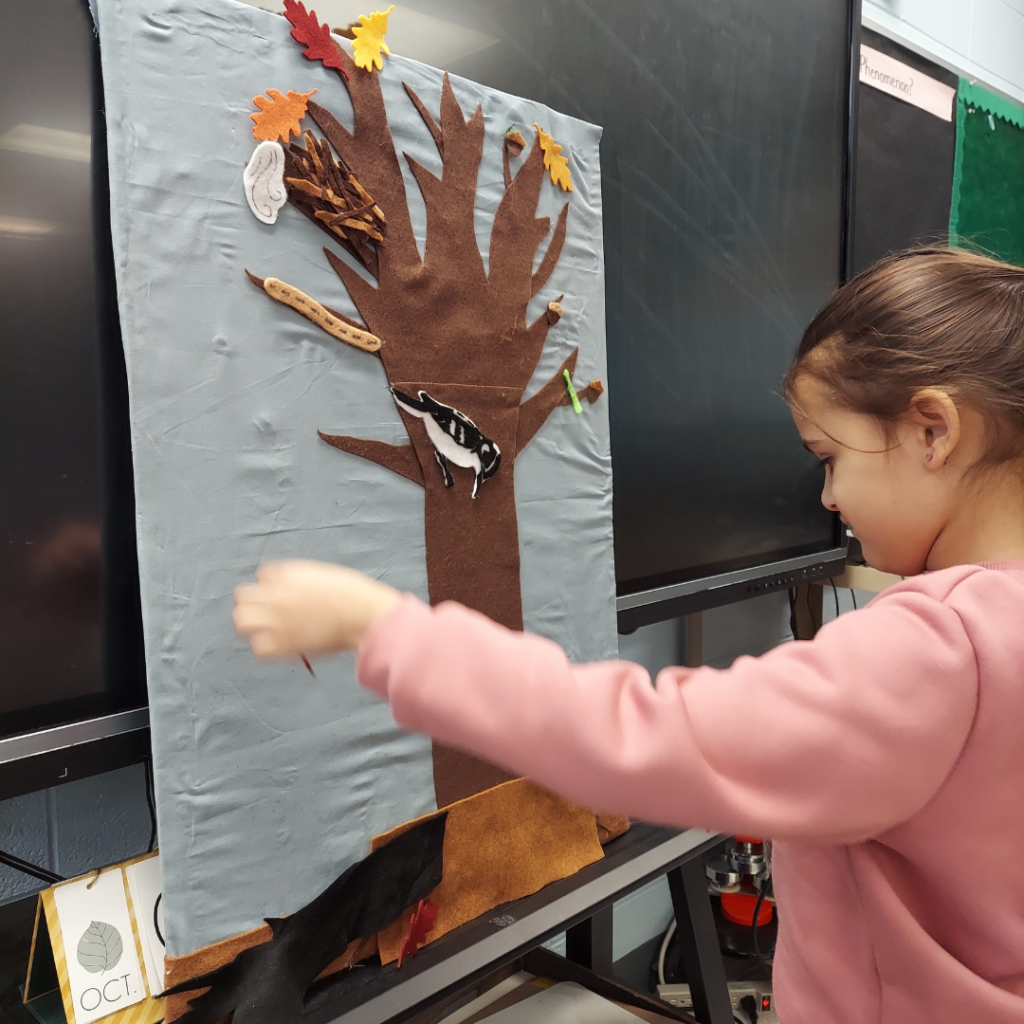
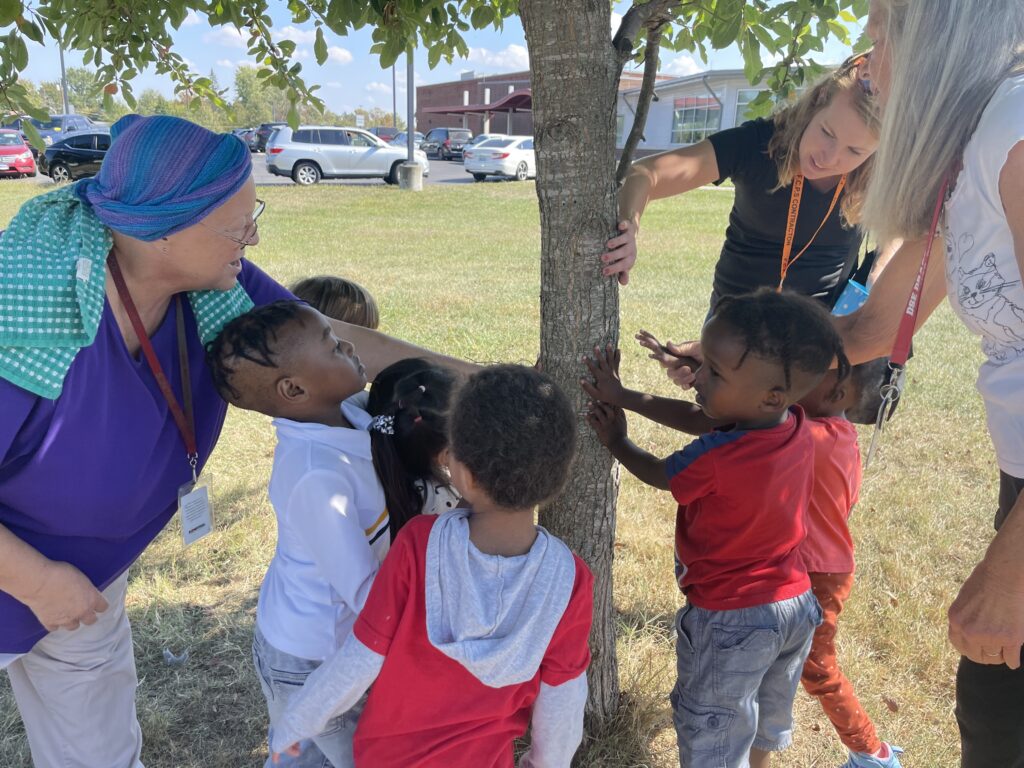
I especially love working with young children and I have had many opportunities to visit preschool and kindergarten classrooms this year. Rachel Patton, the Education Director, has developed and refined interactive lessons that pull children in and explain big concepts in ways children can understand and build on. For example, capillary action of roots is a hands-on activity where children use paper towels and colored water to see capillary action at work. Another example is “The Tree Factory” where children pretend to be different parts of a tree: roots that take in water, bark that protects the tree, branches that reach towards the sun, leaves that deliver the suns energy to tree. The activity has children clustered around one child who is the “heart,” waving their “leaves,” making slurping noises to take in water, stretching their “branches” towards the
sun, and using their arms as bark to defend the tree from pests. It is a noisy, riotous lesson that is much more effective than a textbook for teaching the parts of a tree. I believe the lessons I have offered to classrooms as a volunteer with Bluegrass
Greensource have sparked an enduring curiosity about nature in children.

The new location of Bluegrass Greensource at Buckley Wildlife Sanctuary has offered both challenges and delights. On our first day at Buckley, while unpacking boxes and setting up desks, we paused to watch a mother deer and fawn nibble at the bushes beside our building. Staff meetings are often paused to watch groundhogs scampering across the lawn. It is good to recall these happy sightings when the water smells like Sulphur, a black snake raises its head from the shadows of the garage, or the internet is slow. These are also features of Buckley.

The year as an AmeriCorps/EEL volunteer at Bluegrass Greensource has flown by. I started the year helping to box up a warehouse of teaching resources and feeling woefully lacking in environmental knowledge. I am thankful for the PEEC course, for the rich resources available at Bluegrass Greensource, and for the enthusiasm for nature-based learning Rachel and others have shared with me this year.

Paige Beichler

August 21, 2025

READ MORE

Small Changes, Big Impact: Holiday Edition!

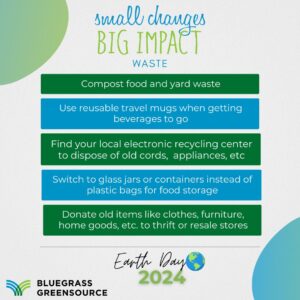
It’s no secret that the holidays can be a time for excess, but they don’t have to be! In fact, with a little effort, you can make your gift giving and decorating not only purposeful, but also waste-free. Check out these simple tips to celebrate the holiday season more sustainably:
💚Traditional wrapping paper cannot be recycled in Central Kentucky, so don’t use it! Grab some brown shipping paper which IS recyclable and channel your artistic side or have your little ones help you decorate it.
💚Give gifts that do not use batteries, or if they do, include rechargeable batteries with the present. Regular alkaline batteries are hard to recycle, but, once they no longer work, rechargeables can be recycled many places.
💚Gift services instead of things. Cooking classes, pedicures, or an hour of house cleaning, are all ways to avoid another item in a landfill and provide local jobs.
💚Make or buy gifts made out of recycled material. There are so many ways to get creative and make something that is both thoughtful and eco friendly.
💚Support local farmers and small businesses by shopping local for your Thanksgiving and Christmas dinner groceries.
READ MORE

All Things Energy: Students Investigate the Science of Energy Through Interactive Lessons

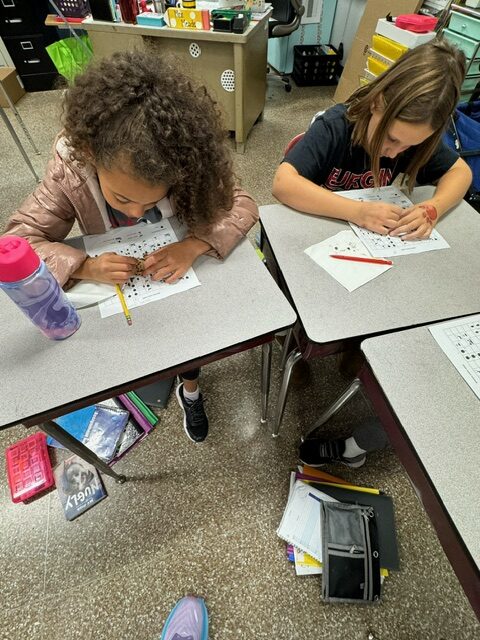
Cookie mining is a fun and interactiveway for students to learn about the environmental impacts of mining. Through this activity, students can gain a deeper understanding of how mining can harm the environment and explore ways to minimize those impacts.
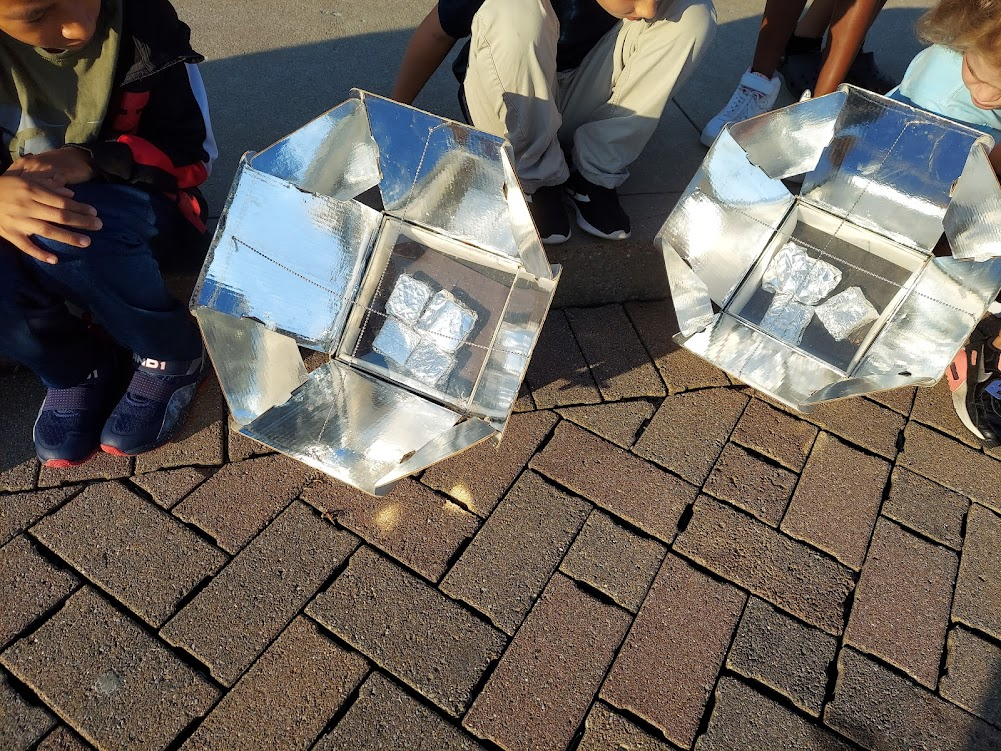
Solar Ovens: Students channel the sun’s energy to heat up solar ovens and make a snack!
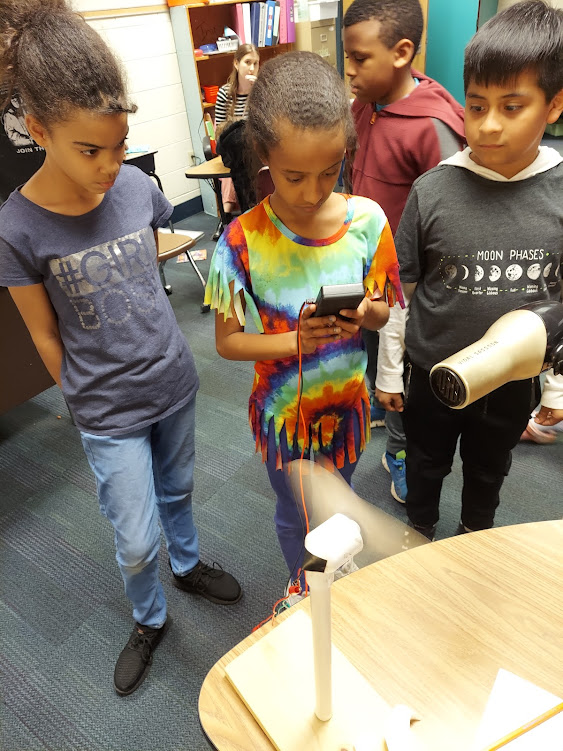
Wind Turbines: Students investigate kinetic and potential energy, wind as a renewable resource, and the parts of wind turbines. Students design blades for wind turbines and test them for energy output produced.
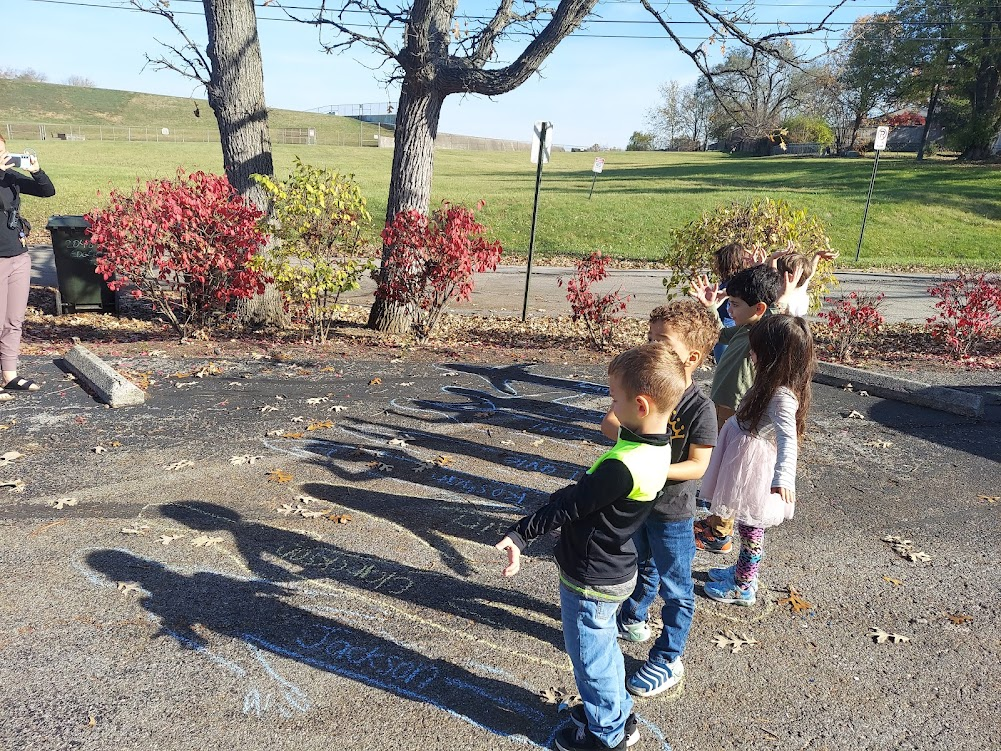
Sunlight and Shadows: Preschool and primary students observe the effects of sunlight by comparing and measuring shadows and making bracelets that change color in the sun’s light.
READ MORE